
Webster Administration Explains Positive Cash Flow Update
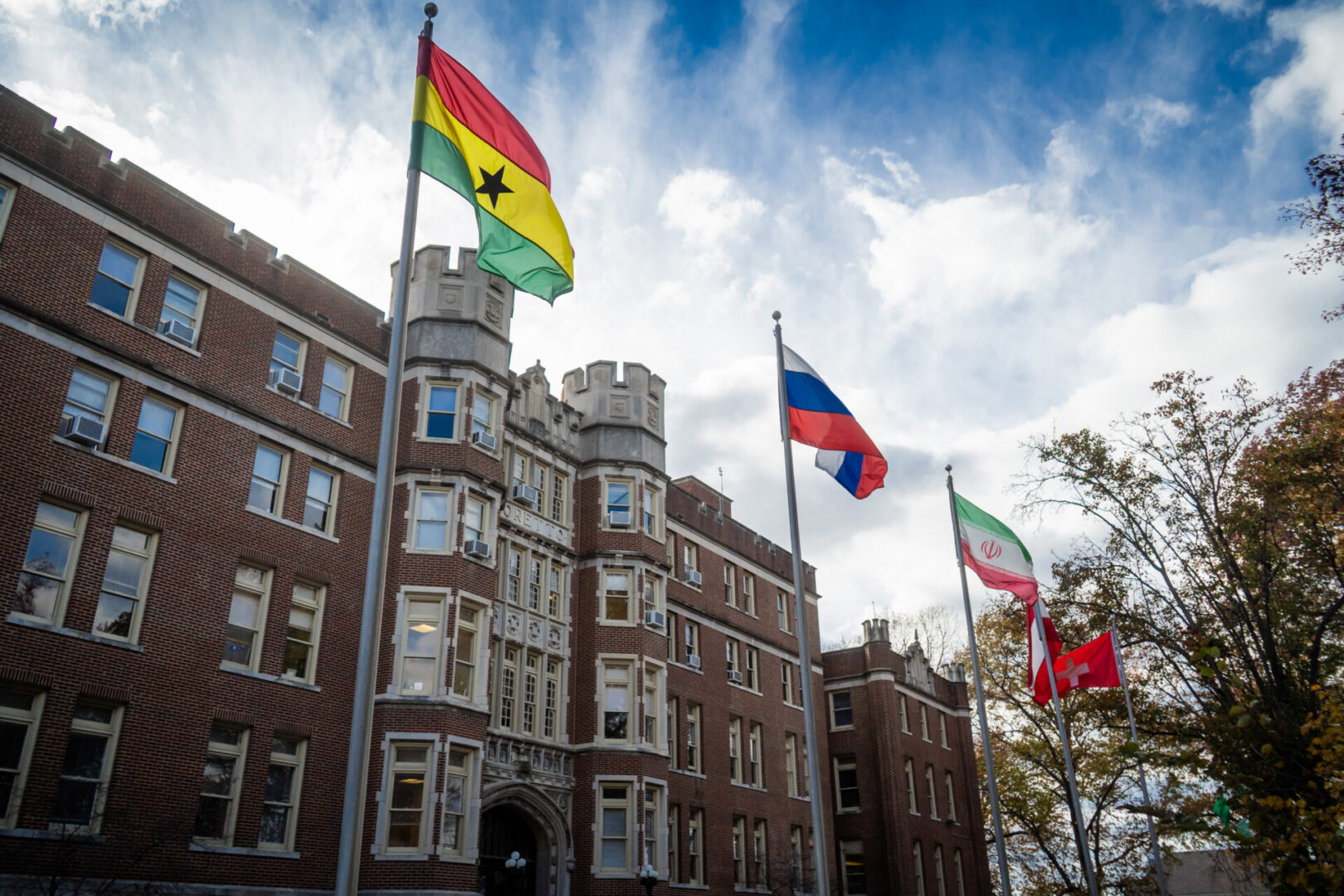
Webster University ended fiscal year 2025 with a positive cash flow for the first time in more than a decade — a stark difference to the financial distress designation Webster received in 2024. The Journal spoke with university administrators to explain the shift and discuss the university’s financial outlook.
President Tim Keane sent out a mass email to the Webster community on Nov. 14, stating that to achieve a positive cash flow, Webster “executed a productivity improvement initiative that reduced inefficiencies and saved millions in expenses.”
Bill Donovan, the university’s chief financial officer, explained those “inefficiencies” included phasing out military campuses, as well as more than 100 satellite locations.
“That version of Webster met students where they were, quite literally offering a physical destination conveniently located near where they worked and lived,” Keane wrote in the update.
In today’s volatile higher-education environment, competing with larger schools near those satellite locations became difficult. Webster pivoted to focus on its main domestic campuses and online programs.
Last August, Webster implemented a hiring freeze, which remains in effect, to avoid mass layoffs.
“My focus has been on trying to reduce costs, handling the vendor relations, our contracts and things that don’t impact people, to the degree we can,” Donovan said.
Updates in vendor relations, including the new dining provider Webster implemented this year and a switch to a new printing vendor, have reduced costs. The printing vendor change alone saved more than $400,000.
In order to maintain a positive cash flow for the next fiscal year, Webster is leveraging its international campuses.
While other colleges across the country face declines in international enrollment due to stricter visa policies, Webster’s global campuses provide opportunities for students seeking a Webster degree.
Keane’s email stated Webster recruited the highest number of international students in its history, and delivered more credit hours abroad than domestically for the first time.
“We’re working with some of our international campuses and developing pathways for international students that can’t get a U.S. visa to go to one of our international campuses,” Lisa Blazer, vice president of enrollment, said. “We want people to understand that they can come to Webster, it just doesn’t have to be at the Webster Groves campus. ”
The update also mentioned Webster “refinanced balance sheet assets to retire $19 million in bond debt.”
In order to avoid a bond agreement where owners could force Webster to pay the entire bond back in cash at one time, the university used its Geneva campus as collateral to pay off the bond and pay the loan off on its own terms.
This move allows Webster to make payments over time and is a major step toward maintaining financial stability going forward.
“It’s critically important we get out the message that we are financially sustainable,” Donovan said.
When Webster received the financial distress designation last year, there was growing concern about the university’s ability to survive. In turn, it created a ripple effect of worry regarding what cuts were going to be made to keep Webster afloat.
“There was a time not so long ago when people believed Webster’s demise was inevitable, following the path of so many other institutions that had failed to adapt to the voluminous challenges facing higher ed,” Keane wrote in the update. “Those people were wrong.”
