
DEI Rollbacks Affect Students
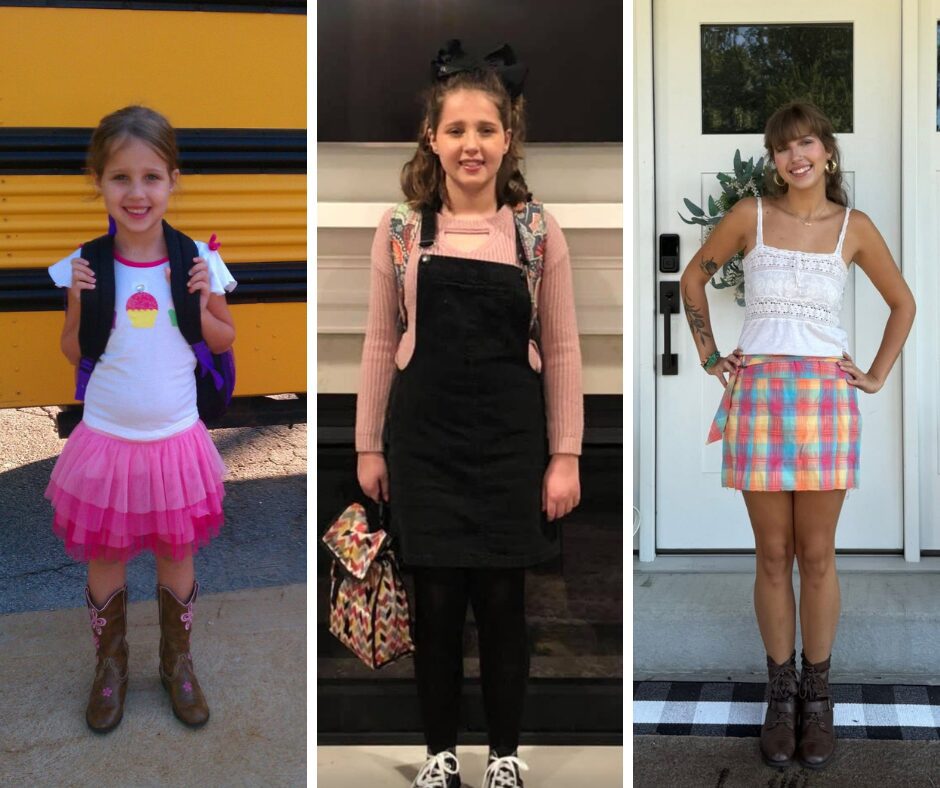
When you are being constantly berated for a quality that has nothing to do with who you are as a person, it is difficult to get up and subject yourself to that every day at any age, let alone in middle school. As a student who was consistently dedicated to my education, not going to school was simply not an option.
Within the last year, I was offered a full-tuition scholarship meant to support academically talented students from underrepresented communities. Growing up in a public school system as an openly queer woman from a young age truly affected the quality of my schooling experience.
When I reached out to my middle school for help, school administrators did nothing, and it became increasingly difficult knowing that not only my peers, but also my mentors, were against me. But nothing could keep me from my education.
By pushing myself to my limits, I succeeded in getting good grades, but it did not come without a price to pay. Since I performed so well in school, my struggles went unnoticed and my mental health declined significantly.
I learned how to protect myself. As a result, my high school experience was significantly better than middle school. It was that experience that taught me to never make someone else feel the way I felt during those years and to always strive to treat everyone equally.
As a recipient of the full-tuition Dr. Donald M. Suggs Scholarship, I hope to see it expanded to many more students in the coming years.
After hearing about the opportunities at Webster University, I applied. I was happy to see how dedicated Webster is to give a voice to students like me. I heard about the Suggs Scholarship through my adviser. When I investigated it, it took me by surprise that they were not only celebrating, but rewarding, students with diverse backgrounds.
My hard work and success in school did not go unnoticed, the scholarship board took the time to acknowledge my lowest points and listen to my thoughts and opinions on how my previous schooling failed me. When I was awarded the scholarship, I was in complete awe of how validating it was to feel valued by such an establishment.
The opportunity completely altered the course of my future in the best way possible. It lifted an incredibly heavy weight off my shoulders, and I could not be more grateful.
I hold Webster to high standards when it comes to its dedication to diversity, equity and inclusion (DEI). However, the power the government holds over the heads of civilians is terrifying. The reality is: Scholarships are in danger and the future of education is uncertain.
Since Donald Trump’s second term began, half of the Department of Education (DOE) staff has been cut. The DOE has also begun withholding billions in grant funding, leaving many scholarship recipients fearful for their education.
The funding of our education system is incredibly important. The luxury of higher education is already becoming more unattainable for young adults. Without federal Pell Grants, the National Center for Education Statistics estimates that nearly 40% of college students will have the future of their education and career compromised.
With at least 1.7 million scholarships awarded each year in the U.S., a magnitude of young adults could lose the ability to fund their education as the Trump administration continues to dishonor our education. Out of all college scholarships awarded, minority students only receive about 28% of scholarships, per CollegeStats.org.
In February, Trump eliminated federal diversity, equity and inclusion (DEI) contracting and funding, arguing that these decisions should be based on factors like performance, skills and work ethic, rather than any elements of DEI. This action prohibits anti-discrimination policies toward minorities, and these decisions have left many minority groups in schools fearing for their future.
DEI-based scholarships hold schools to higher moral standards. Many students who receive these scholarships highlight the fact that their experience as a minority in the schooling system significantly impacted their educational growth, despite their drive to succeed. It is imperative that we give these students the room to voice these stories.
We were made aware that Trump had these plans outlined in his policies. I, for one, was not of age to vote in the last presidential election, and I am outraged by the older generations’ lack of research and voting involvement. The decisions our country has made are failing our youth. It is now our responsibility to climb out of the hole we did not dig ourselves.
Education will always hold power, and with the government not prioritizing that, it feels as if the administration is trying to restrict the next generation. Making learning accessible is what keeps our futures bright. The less students have access to education, the quicker society will decline.
As I get older and learn more about how the government wants to take opportunities like these away from people like me, I am not only in fear for myself and my future, but also the future of my peers and their children. I want to do everything in my power to ensure that more kids can have the same opportunities I’ve had. I am proud to be a Webster student because I am assured the university is doing the same.
