
Book Bans Spark Nationwide Resistance
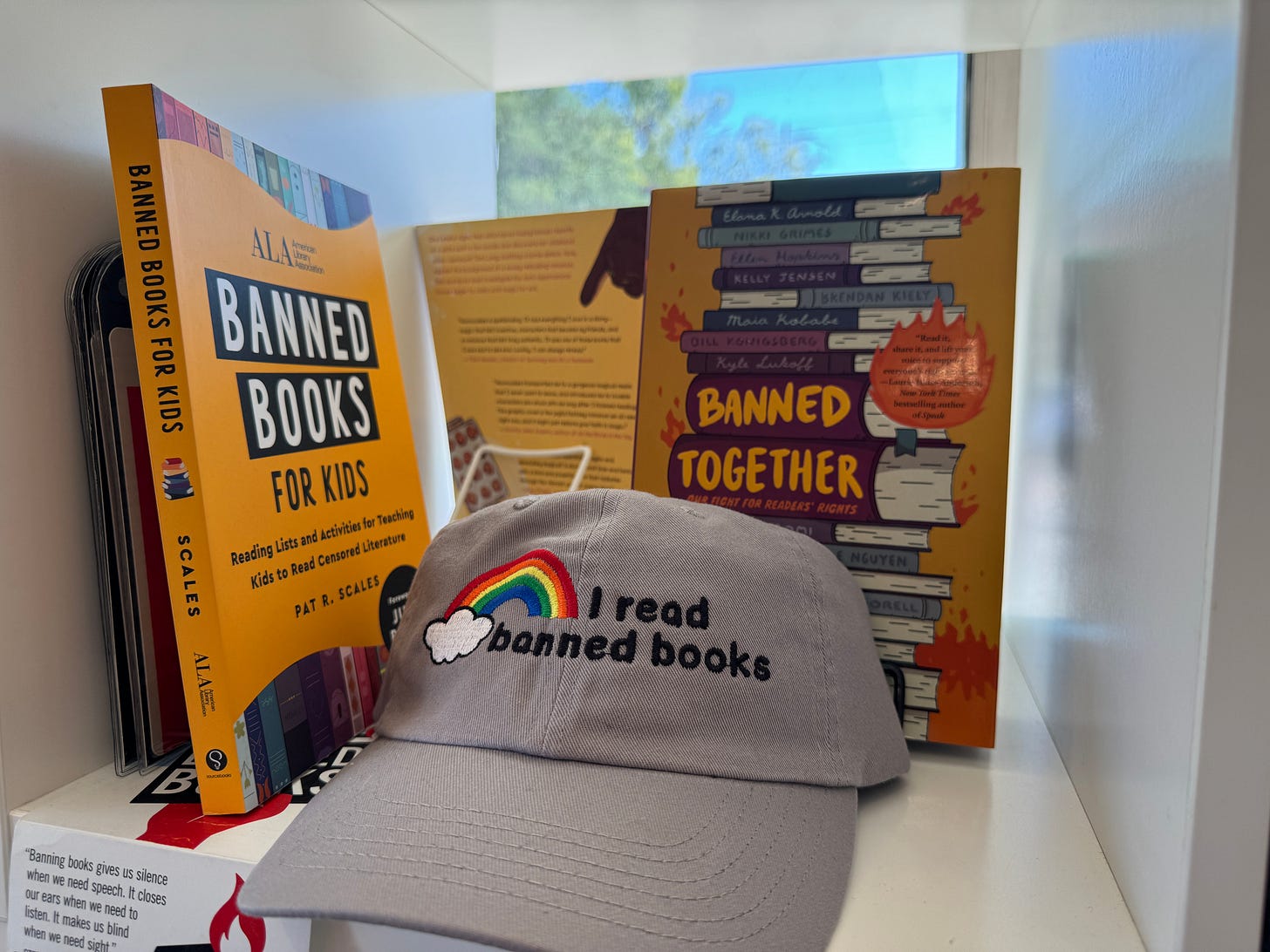
Three years into a statewide ban limiting “inappropriate” books in Missouri libraries, the debate and ensuing fallout continue to reverberate across the country.
Legislation aimed at restricting access to explicit material has resulted in the review and removal of classics, texts with LGBTQ+ content and works by authors of color in public and school libraries.
Missouri Senate Bill 775, which took effect on Aug. 28, 2022, criminalized the act of school libraries offering materials that contain explicit sexual content. Following a lawsuit by the American Civil Liberties Union (ACLU) of Missouri that challenged it, the state House of Representatives approved a budget cut to remove $4.5 million in funding for public libraries in early 2023.
“Librarians are under siege a little bit. And, of course, teachers are,” said Karla Armbruster, an English professor at Webster University. “When they have to worry about literally getting arrested because they provided a book that they thought would be educational, I mean, that’s nuts.”
Local high schools have felt the pressure of such laws in recent years. In January 2022, the Wentzville School District removed Toni Morrison’s “The Bluest Eye” from its libraries following complaints from some parents that the book was inappropriate.
The book contains a scene a page or two long that depicts a girl being raped by her father. The objection most supporters make for the ban, Armbruster said, is that the scene is pornographic.
“My understanding of pornography is that it objectifies,” Armbruster said. “It kind of disconnects the body parts or the act from the humanity of the person. And for me, that is the opposite of everything that Toni Morrison does. Everything about her books is trying to get you to think about the experiences of other people and have empathy for them.”
The district’s decision on “The Bluest Eye” was reversed one month later following an ACLU lawsuit and community backlash.
Last year, several states — including Illinois and Minnesota — passed laws to protect libraries from book bans. Other states have pending legislation that offer similar protections.
“It is so important, especially for middle grades and high school grades, to be reading this type of material and understanding the importance of talking about that rape happens,” said Julie Laramie, an assessment librarian at Webster’s Emerson Library.
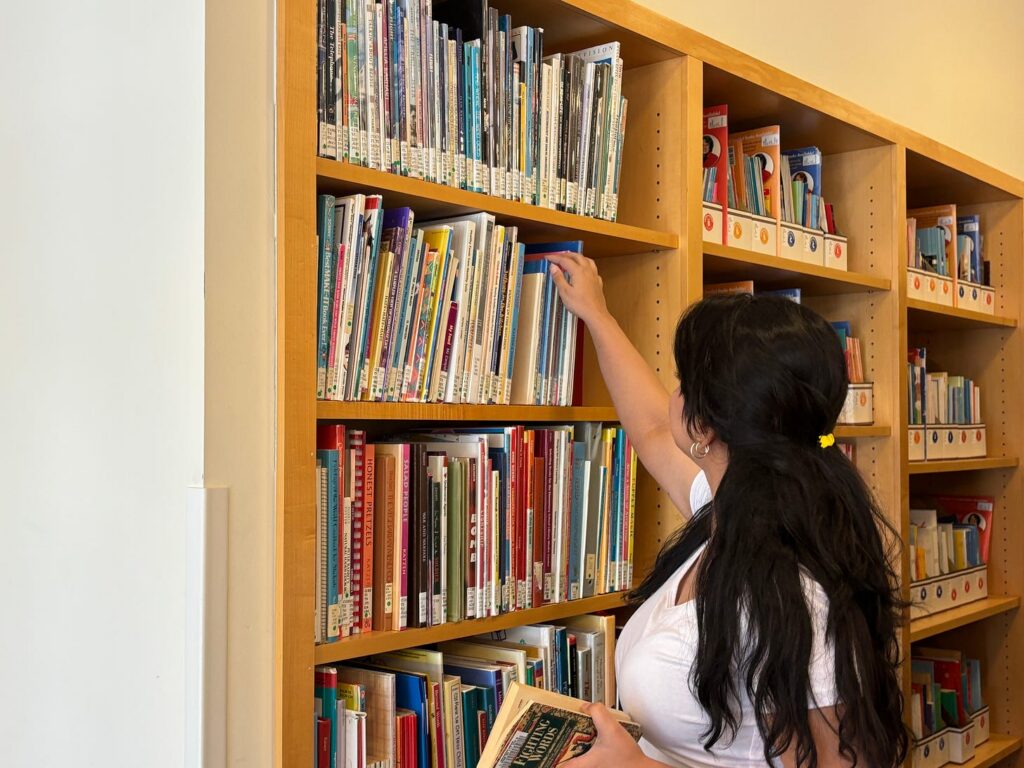
Supporters of book bans tend to make the argument that it is for the betterment of their children to not be exposed to inappropriate content. Murray Farish, English professor at Webster University, offers a different perspective.
“Politically affiliated groups that fund these efforts don’t care as much about the community standards of a local school board’s library or what’s on the shelves at Webster’s public library,” Farish said. “They care about keeping people stirred up. They care about keeping people angry with one another and dividing neighbors from neighbors. ”
Farish noted that by keeping communities angry at one another, book bans serve as a means to distract locals from bigger political issues.
“Who benefits from us being at odds with one another over something like a book in the library?” Farish said. “It’s not us. It’s not our kids. It’s not our librarians. It’s not our communities. It’s somebody else who is benefiting from the discord that this kind of thing creates.”
Both Farish and Armbruster recognize it is difficult to restrict children from accessing banned books outside of public and school libraries. Little Free Libraries, the internet and Amazon booksellers all have the potential to provide restricted materials to anyone who wants them. Regardless, there is an element of easy access and community that is stripped away by book bans.
“The library is a place where events happen, the library is a place where people spend time before school and after school — whether it’s reading books or checking things out on the internet or just talking to each other,” Farish said. “A library is a place that’s supposed to be fun and peaceful, open-minded. Instead, it’s become another American battlefield.”
While Missouri has laws in place that support book banning, there are still efforts being made locally that can push back against restrictions.
“I know in Webster Groves, there’s a guy who runs every time for school board who’s got these conservative talking points that he just can’t let go of,” Armbruster said. “People come out to the school board meetings and to the elections and help other people campaign so that he doesn’t get elected.”
Individually, as well, there are ways to add other voices to the conversation. Anastasia Meyer, an English major, feels the same.
“Keep expressing your freedom of speech. Don’t be afraid to write that email. Don’t be afraid to make a Facebook post sharing your opinion and why you feel that it is important,” Meyer said. “There are more people in your community that agree with you than you think there are.”
