
Class of 2026 Faces Shrinking Job Market
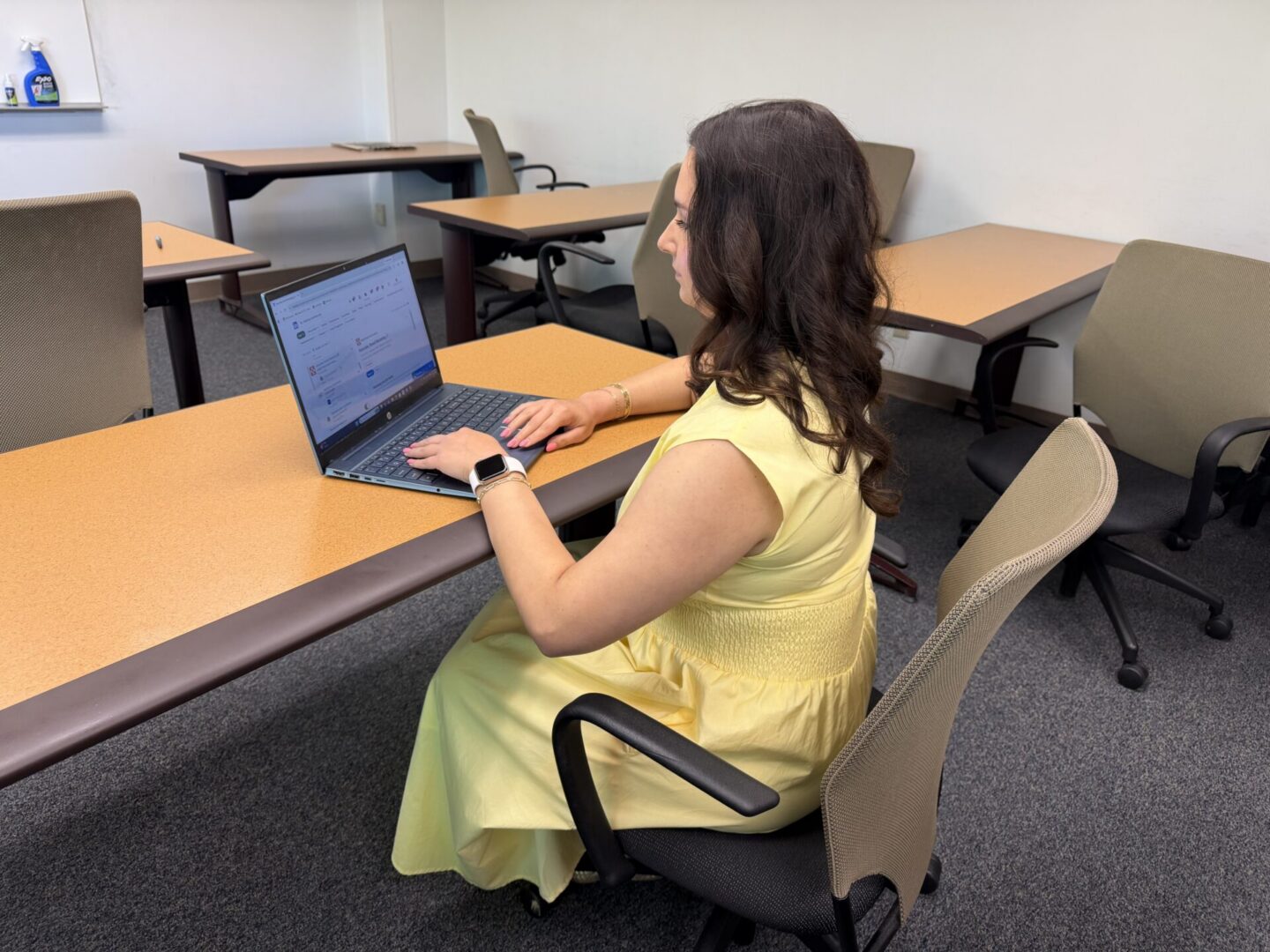
With a decreasing number of entry-level positions due to the implementation of artificial intelligence and high unemployment rates, the Class of 2026 graduates are struggling to secure positions post-college.
An August 2025 report from the Federal Reserve Bank of St. Louis found that college graduates ages 23 to 27 are seeing higher unemployment rates — from 3.25% in 2024 to 4.59% in 2025.
“This 1.34 percentage point increase represents more than just a statistical noise; it reflects a significant shift in how the economy is absorbing newly educated workers,” Federal Reserve researchers Serdar Ozkan and Nicholas Sullivan wrote.
Senior Ellie Palacios, an Interdisciplinary Studies major with an emphasis in Musical Theater and Strategic Communications, has been applying for jobs since late February. Initially, she began by mass-applying for anything that surfaced on LinkedIn and Indeed, a tactic many graduates have used. She then switched to meticulously crafting her résumé and cover letter to the positions she felt were most valuable, and received a few interviews from this approach.
But her struggles remained.
“I had applied for a marketing position at an organization in St. Louis, and I had two rounds of interviews with them pretty quickly. They seemed extremely interested in me, pretty much told me I was perfect for the role,” Palacios said. “I felt like I had it in the bag. Three weeks later, I got rejected, and I found out from a friend of a friend that they ended up hiring their current intern. I know that there’s a lot of that right now in the job market – they’re required to post the positions, but, nine times out of 10, they already know who they’re going to hire.”
The World Economic Forum reported a steady decline in entry-level roles across sectors worldwide.
“Our analysis shows that global entry-level job postings have fallen by 29 percentage points since January 2024,” the organization reported.
The Federal Reserve Bank said that a staffing firm in Missouri reported slower hiring and less turnover, reflecting cautious labor market behavior amid economic uncertainty.
However, the unemployment rate isn’t the lowest by far, with the current rate at 4.3%, down slightly from 4.4% in February. The Fed stated that the market remains in a “low-hire, low-fire state.”
Out of an estimated 10 tailored applications, Palacios interviewed with three companies, was ghosted by four and rejected by three.
“Three of them I got rejected within 24 hours, which tells me this is AI that’s scanning the résumé, and one of them even went as far as to write a rejection letter, which I found crazy,” Palacios said.
The graduating Class of 2026 will be among the first to enter the job market after spending the majority of their college careers studying alongside tools like ChatGPT, which was launched publicly in late 2022.
AI résumé scanners have become a routine part of many job application processes, requiring applicants to adjust their resume to implement key wording from an application in order to bypass the first round of screening.
Alongside creating an extra barrier in the application process, AI is also slowly eating away at entry-level positions in some markets.
“I will say, I think AI has a lot to do with the decline of jobs currently being offered, because these organizations can just implement an AI tool and just use that to replace a person,” Palacios said. “So I think generally, yes, AI is definitely something that our graduating class needs to be concerned about.”
Like Palacios, many graduates are applying for, and accepting, roles that are not aligned with their career goals. In fact, the World Economic Forum reported that almost half of Gen Z say their current roles do not align with their dream careers.
With only five weeks until graduation, Palacios has broadened her scope of searching and started applying to internships, hoping they will eventually turn into a full-time position.
